Sophie’s
BAT MITZVAH
SATURDAY, DECEMBER 5, 2026
Bat Mitzvah Service & Kidduch Luncheon
Temple Beth Shalom
10:30am
Please plan to arrive 10-15 minutes before the service begins.
The luncheon will immediately follow the service and will be in the Epstein Family Community Hall of the Dell Jewish Community Center.
Those that are picking up kids after the luncheon should plan to pick up by 1:30pm.
Sophie’s Celebration
Hotel Zaza
6:30pm - 10:30pm
Join us for dinner and dancing!
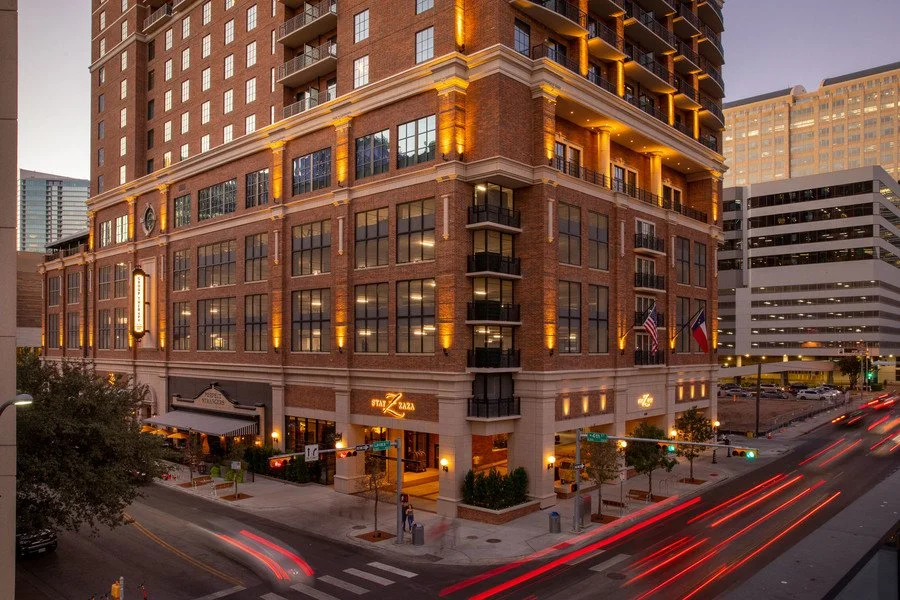
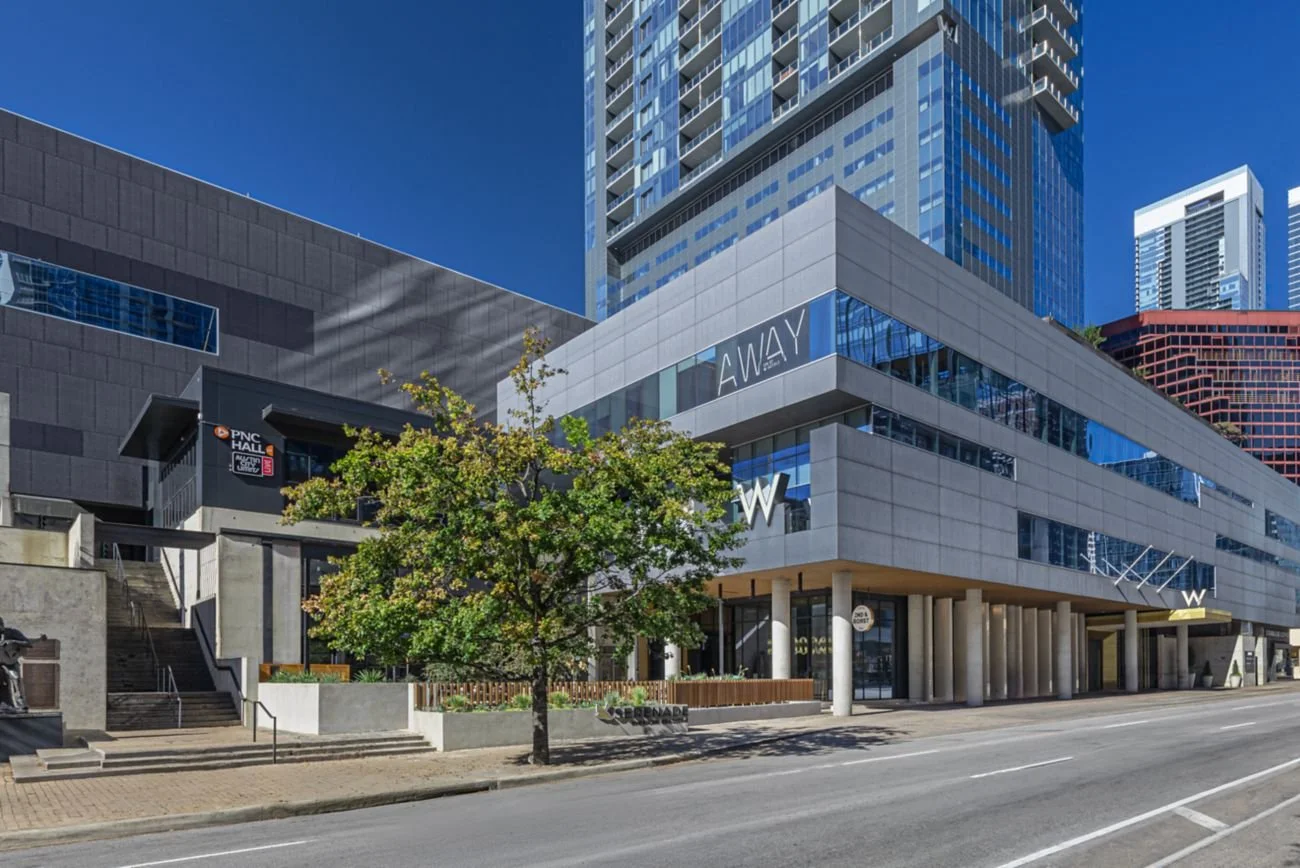
Stay
HOTEL ZAZA
THE W HOTEL
HYATT CENTRIC
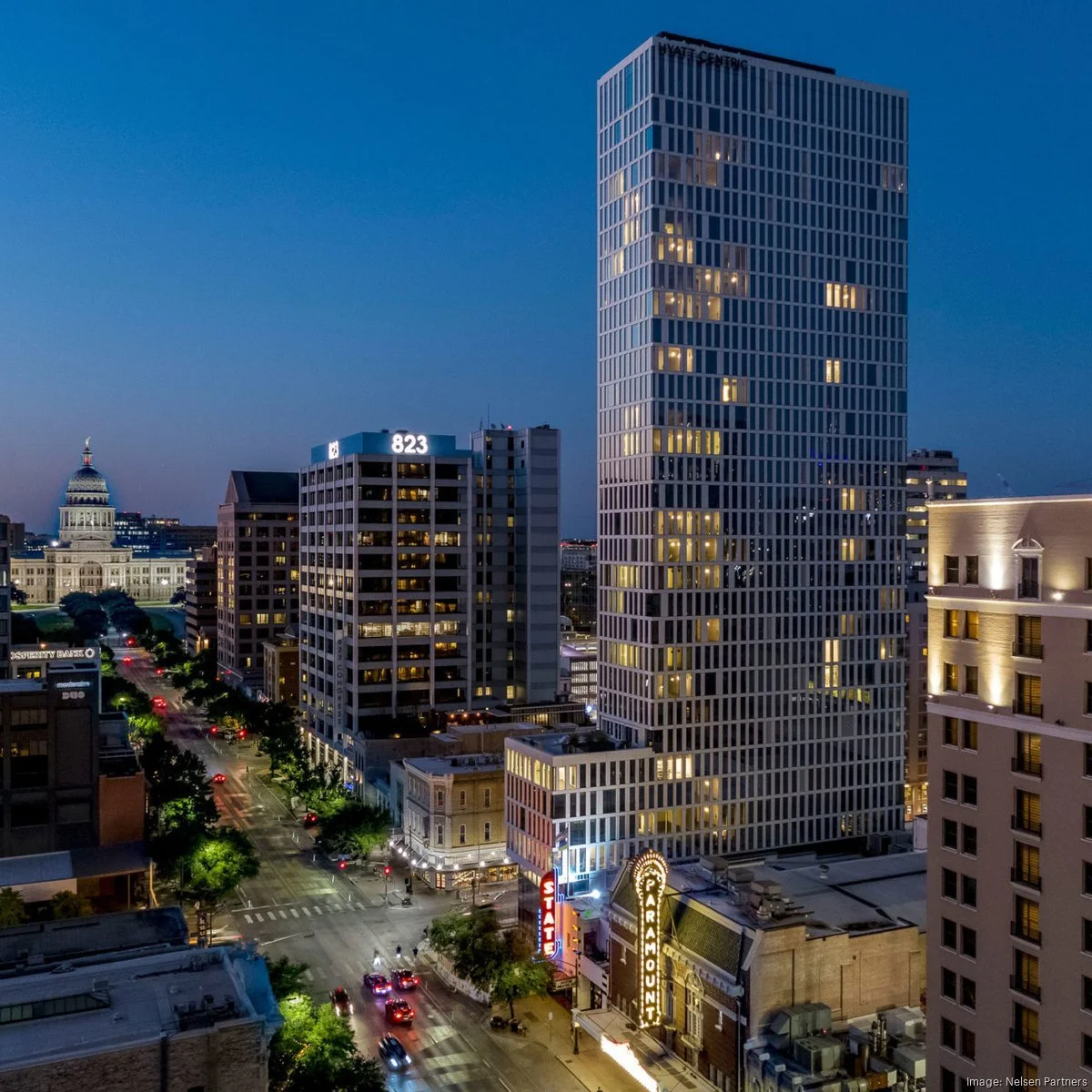
Please reserve your rooms by November 4, 2026
rsvp
Please RSVP by November 13, 2026
Frequently Asked Questions
Whether this will be your first Bat Mitzvah, your first time in a synagogue (or the first time in a while), or you are a Shabbat regular, we wanted to share a bit of information about what you (or your kids) can expect.
“Bar/Bat Mitzvah” literally means son/daughter of the commandments. At 12 or 13, a Jewish child becomes a Jewish adult, whether or not they choose to have a ceremony and celebration. It has become custom, however, for the young person to mark this significant occasion by reading Torah in their community, teaching something of their choice (called a “D’var” or “bite” of Torah) and having a festive event to celebrate their hard work. By becoming B’Mitzvah, one is choosing to identify as Jewish, continuing to learn the values of our tradition and develop their Jewish practice. Sophie will be the primary leader of the service in both Hebrew and English.
What should I wear?
Dress is modest and what you might expect for a religious service. Women generally wear dresses and have their shoulders covered. (This just means that if the dress is strappy, maybe just add a light sweater, especially in case the Temple is cold.) Dress for men could range from khakis/pants and a button-down shirt to a jacket and tie or even a suit. You will see a little bit of everything.
What is a Bat Mitzvah?
Do I need to wear a kippah? What if I’m not Jewish?
A kippah, or head covering (also called yarmulke in Aramaic), is traditionally worn by men and can be worn by all people during the service. Wearing a head covering is not a symbol of religious identification but, rather, it signals awareness of the sanctity of the prayer space. These head coverings will be provided as people enter the sanctuary and you are welcome to take and wear one if you’d like, but no one should feel obligated to wear one. There will be people with and without them in the sanctuary. Do what makes you most comfortable.
What is a Tallit (prayer shawl)?
The tallit, or prayer shawl, is also traditionally worn by men and can also be worn by all people during Shabbat or holiday services. The Tzitzit (fringes) on the four corners of the tallit remind the wearer of the values, traditions, and commandments of Judaism.
What is the proper greeting?
You may hear people greeting each other with “Shabbat Shalom” or “Good Shabbos.” In this context, Shalom means peace or wholeness. In Jewish practice, Shabbat is the 7th day or day of rest and begins at sundown on Friday and ends on Saturday sundown. So, the greeting is a gentle wish for a day of peace, wholeness, rest, and restoration. One may choose to respond back, “Shabbat Shalom,” “Thank you”, or “To you, as well.”
What are people saying and how do I follow along?
Most of the prayers and the Torah and Haftorah readings will be in Hebrew. You can follow along in the prayer book that will be provided to you as you enter. Because Hebrew is read from right-to-left, the book opens opposite of traditional English books. The leaders will keep us on track by calling out the page numbers. When Sophie is speaking in Hebrew, there is accompanying English translation, and sometimes transliteration (phonetic pronunciation) in the prayer books so all can understand what she is saying. There will be times in the service when we stand and times when we are seated. Standing at these times is a sign of respect and is not an affirmation of any religious belief. (It can also be a good time to stretch your legs!). There isn’t any type of ritual where you (or your child) would be expected to participate. You can simply observe the service with Sophie leading and follow along with readings and songs to the extent you are comfortable.
What is the Torah?
The Torah are the big scrolls that contain the first 5 Books of the Hebrew Bible. They are written in Hebrew by a specially trained scribe with a special ink; each is a work of art. Readers use a silver pointer called a yad to mark their place. This is so the oils of our hands don’t damage the delicate parchment of the Torah. You can follow along as Sophie reads from the Torah.
The Torah Service
The Torah is divided into weekly portions (or ‘parshot’), so the entire Torah is read each year. Blessings are recited before and after each segment is read. A Jewish person is called up to the Torah and given the honor of reciting these blessings. This honor is called an Aliyah, meaning “to ascend”. Sophie becoming a Bat Mitzvah celebrates the first time she is called to the Torah to recite these special blessings. At the conclusion of the Torah readings, two people are called to lift and wrap the Torah scroll. The Haftarah means “concluding teaching,” and is chosen to reflect a theme or literary allusion to the Torah portion. After the Haftarah, the Torah scroll is returned to the ark.
I get to throw candy?
When the service is completed, everyone will throw candy at Sophie. The candy represents the sweetness of learning Torah. All kids are welcome to go collect (and keep) the marshmallows at the designated time.
What time is lunch?
The service typically lasts until about 12:15-12:30. Then, all are welcome to join us for the Kiddush Luncheon. Kiddush essentially means “sanctify” or “make holy.” A festive meal is a requirement for just about ALL Jewish celebrations! The luncheon will end at 1:30pm.
Anything else I should know?
Plan to silence your phone and keep it tucked away while in the sanctuary.
Please do not take pictures or video inside the sanctuary.
Please don’t throw or eat the candy ahead of the designated time in the service.
Mitzvah Project
GIVE JOY
A mitzvah is a good deed. In Judaism, we are guided by Tikkun Olam, the repair of the world, and we believe each of us is responsible for leaving the planet a little better than we found it.
Because Sophie’s Bat Mitzvah falls during Hanukkah, the Festival of Lights, she has chosen to bring some light to our Austin community by supporting the GiveJoy Foundation’s Grow and Give Back Holiday Drive. What began in 2008 as a small event for about 50 students has grown to reach thousands of children in Austin and Bryan, Texas. Each child receives $100 worth of gifts chosen from their own wishlist, and their family enjoys a hot holiday meal. Volunteers shop for, wrap, and deliver every gift.
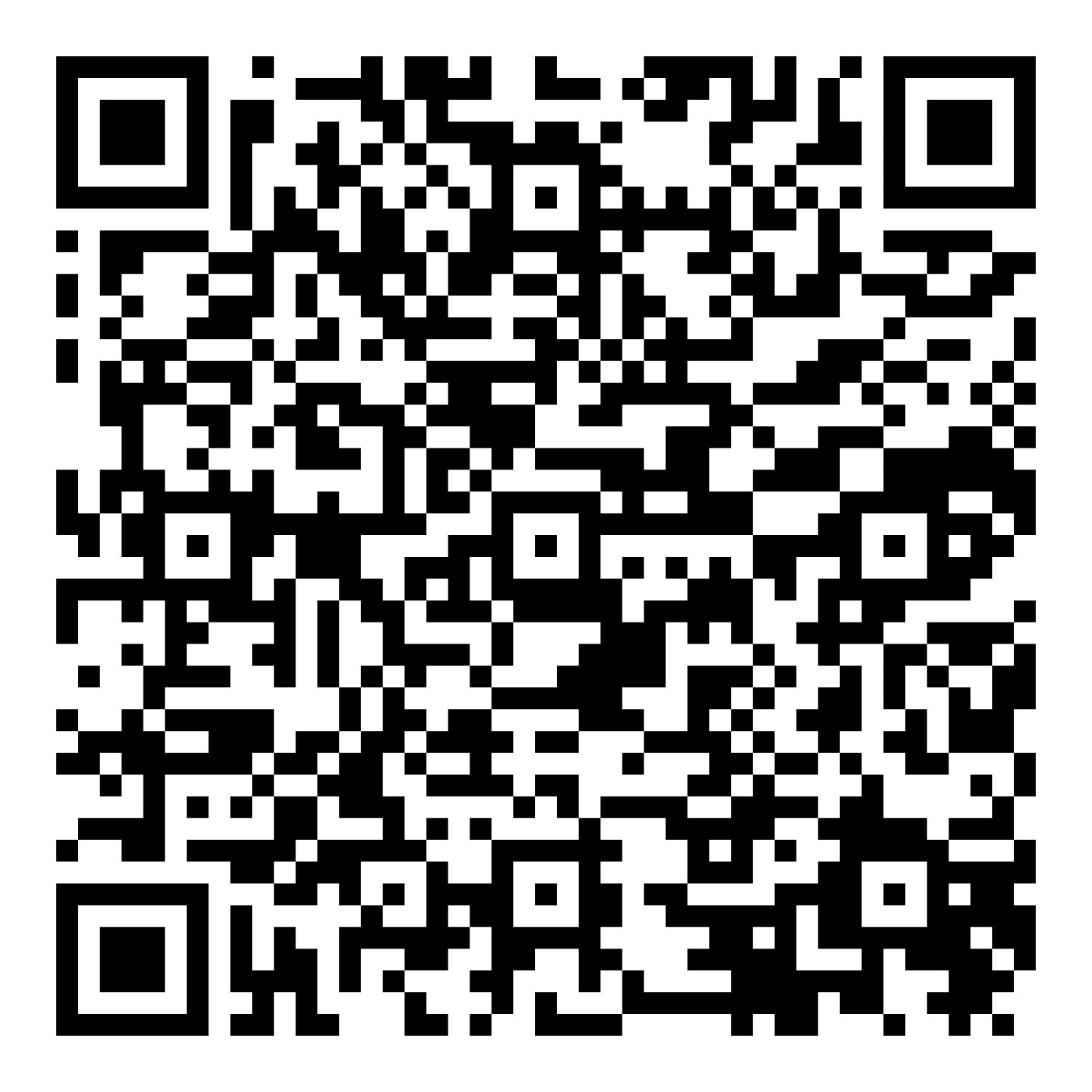
Please scan the QR code below to donate to Sophie’s Mitzvah Project. Every gift, large or small, will help brighten someone’s holiday season.
Thank you for celebrating with us and for helping us add a little more light to the world. We hope it will add some extra light to the lives of others this holiday season.